Understand your requirement
Review carton blank and board behaviour, carton and case format range, and blank opening, squaring and bottom sealing using your samples, drawings and production observations.
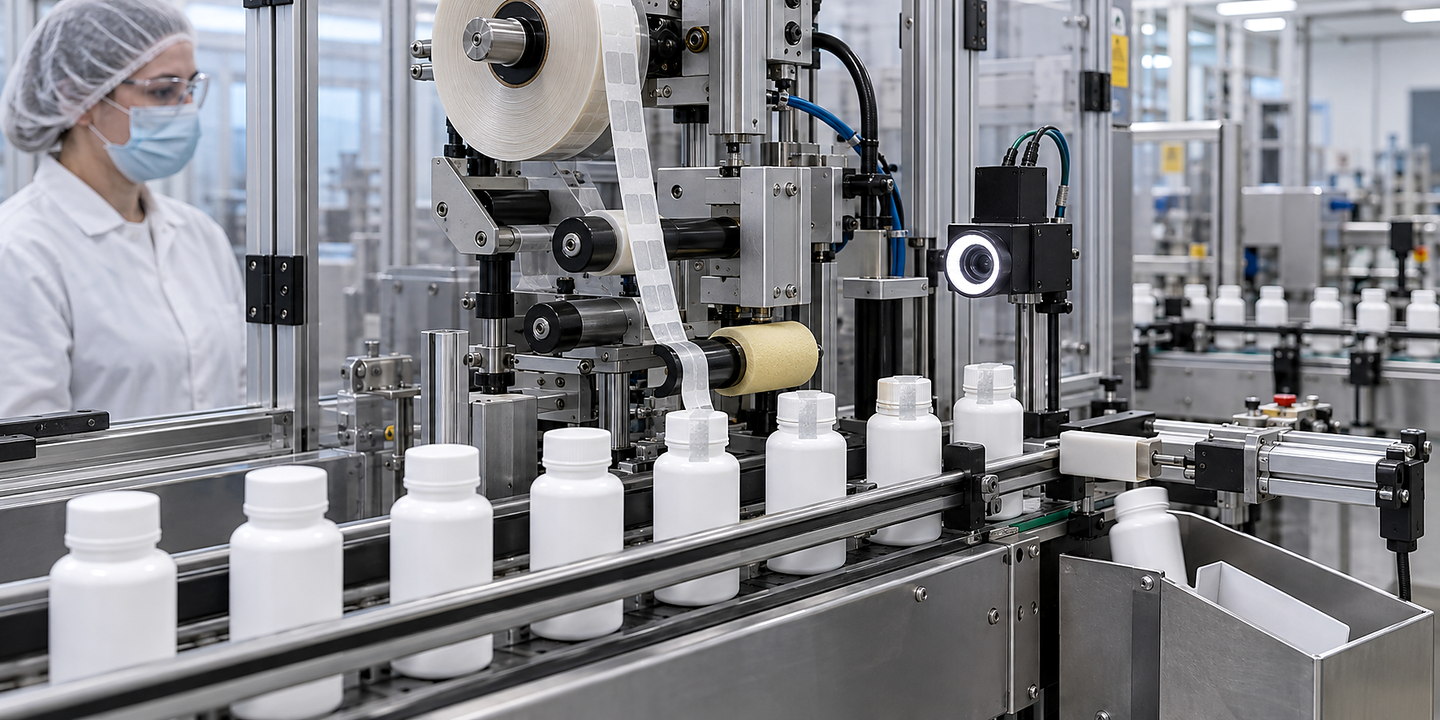
Compare dedicated, semi-automatic and integrated carton erecting routes using real blanks, accepted cases at loading, format changes and line demand.
Compare carton erecting routes against the blanks you will buy and the accepted cases your packing station needs. Include board variation, bottom closure, replenishment, safe operator access and complete format changes when judging a dedicated, semi-automatic or integrated route.
Use the erecting sequence to identify the limiting stage, then agree the same finished-case acceptance checks for every proposed approach.
Plan carton erecting machines around your product, pack range, target output, cleaning needs and finished-pack checks. Discuss a practical line concept with Lancing using representative samples. When you compare solutions, check how each option handles carton blank and board behaviour, carton and case format range and your surrounding line.
Discuss your application

Review carton blank and board behaviour, carton and case format range, and blank opening, squaring and bottom sealing using your samples, drawings and production observations.
Run focused trials for carton erecting machines so you can see why an option is recommended or ruled out.
Resolve required output and production pattern, cleaning, access and changeover method, controls, safety, operator access and maintenance before site work.
Check finished-pack checks and reject handling in normal, difficult and fault conditions, then agree training and support for your team.
Typical support: line concept, trials, filling or packaging equipment, integration and handover.
| Approach | Often suitable when | Watch for |
|---|---|---|
| Carton Erecting Machines | You need a repeatable supply of erected cases from a defined blank range, with an agreed bottom closure and loading-station interface. | Trial ordinary board variation, smallest and largest cases, replenishment and rejected blanks. Count accepted cases at loading. |
| Semi-Automatic Equipment for Lower-Volume or High-Changeover Work | Lower volume or frequent format changes make an operator-assisted route worth comparing against the same accepted-case requirement. | Check operator tasks, ergonomics, repeatable case quality and safe access through replenishment, format change and recovery. |
| Fully Automatic Line Integration where Repeatable Container Flow and Rate Justify It | The packing demand, blank range and surrounding flow are repeatable enough to assess automatic erection and line integration together. | Agree discharge height and orientation, demand signals, usable buffer and downstream-pause response alongside recovery and access. |