Carton Blank and Board Behaviour
Provide representative carton blanks from normal production and describe known board-tolerance or storage-condition issues. Include any separation, opening or squaring difficulties that the trial needs to represent.
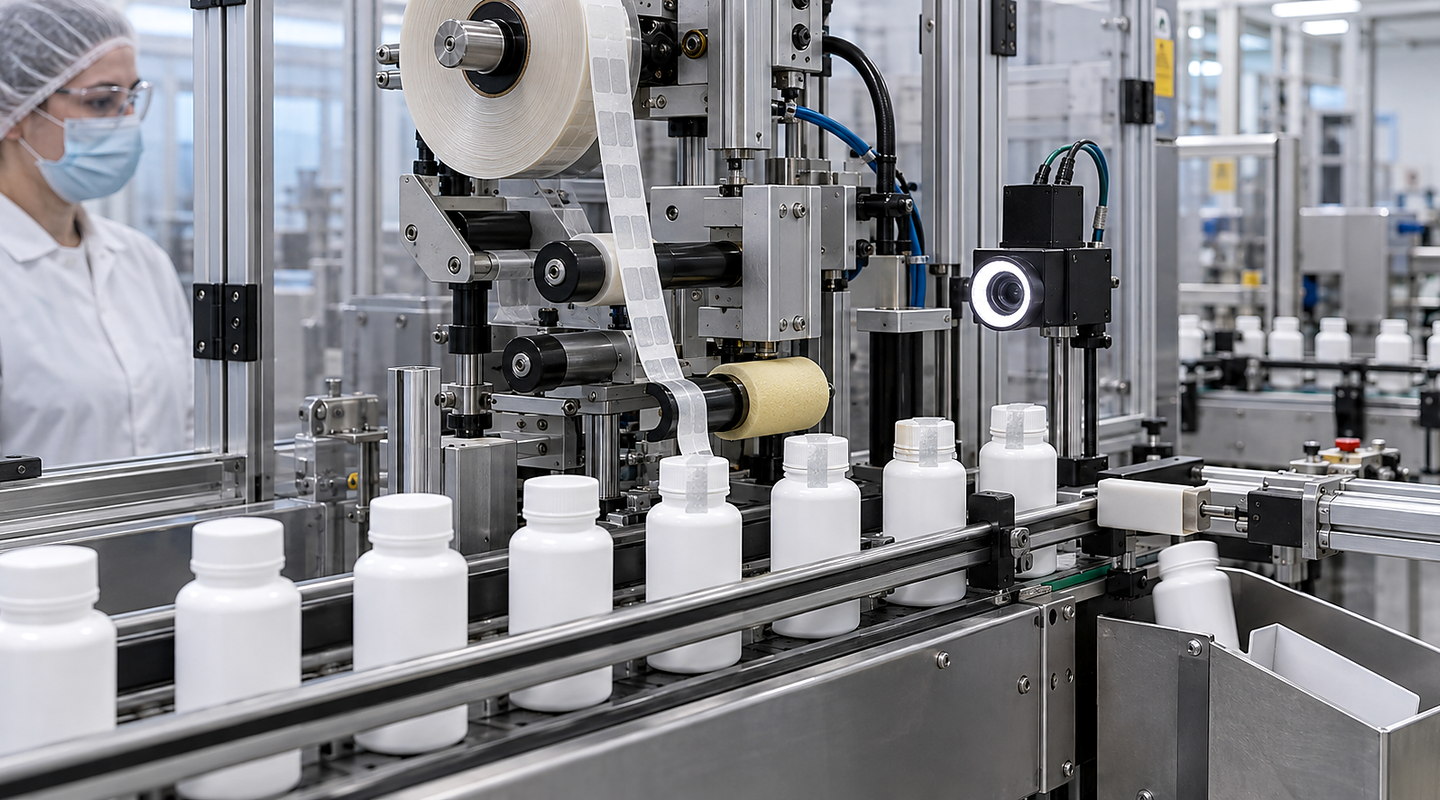
Plan routine production using automatic carton and case erection around representative products, packs and packaging materials, line connections, operating limits, acceptance checks and next steps.
For routine production using automatic carton and case erection, start with representative products, packs and packaging materials and your full operating sequence, then check the credible product, pack, cleaning and line-rate extremes before committing to a final layout.
Plan carton erecting machines around your product, pack range, target output, cleaning needs and finished-pack checks. Discuss a practical line concept with Lancing using representative samples.
Plan carton erecting machines around your product, pack range, target output, cleaning needs and finished-pack checks. Discuss a practical line concept with Lancing using representative samples. For routine production using automatic carton and case erection, the deciding details include carton blank and board behaviour, blank opening, squaring and bottom sealing and finished-pack checks and reject handling.
Discuss your application
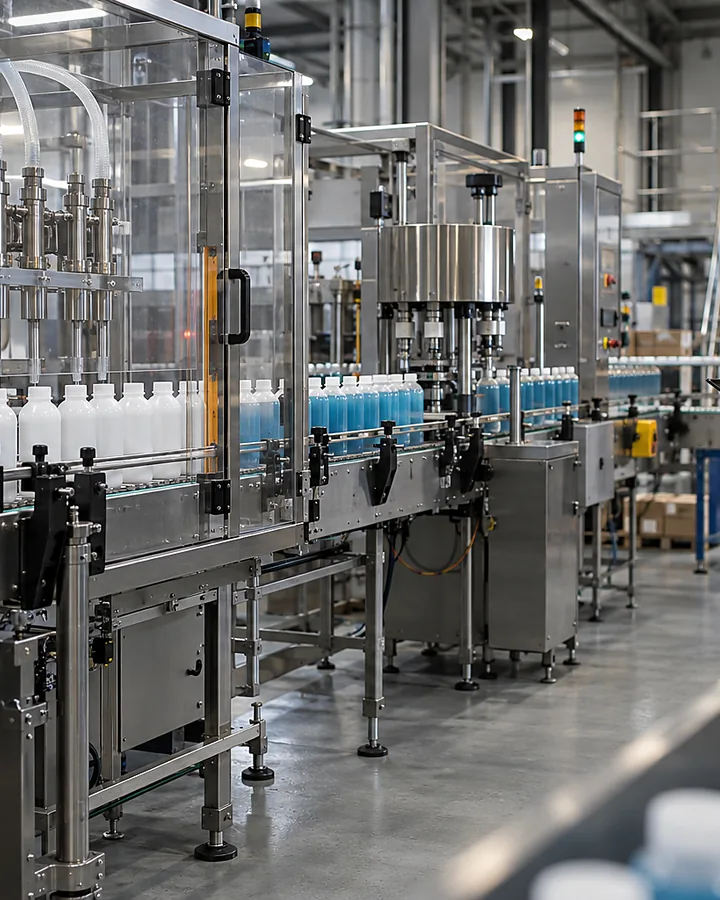
Provide representative carton blanks from normal production and describe known board-tolerance or storage-condition issues. Include any separation, opening or squaring difficulties that the trial needs to represent.
List the carton and case formats used in routine production, with representative samples for the normal range and credible extremes. Compare the full range rather than one nominal format.
Describe the current blank-opening, squaring and bottom-sealing process, the required result and acceptable limits. Check those steps with representative packaging during the trial.
State the required output and production pattern. Include replenishment, short stops and fault recovery when comparing the overall process, rather than the automatic step alone.
Describe cleaning, operator access and the changeover method. Include safe interventions, maintenance and recovery in the operating sequence that the proposed layout must accommodate.
Specify the finished-pack checks, reject handling and acceptable limits. Include how a problem is detected, how the team is informed and the conditions for a controlled restart.
Include replenishment, normal production, planned change, short stops, fault recovery, cleaning and maintenance for routine production using automatic carton and case erection. A fast automatic step can still leave your team with a slow or awkward overall process.
Run the agreed product or part mix for routine production using automatic carton and case erection at your intended operating pattern.
Include credible extremes for carton blank and board behaviour and carton and case format range.
Show how the proposed solution detects a problem affecting routine production using automatic carton and case erection, responds safely, informs your team and restarts under control.
Compare with Short Runs and Format Changes Involving Automatic Carton and Case Erection if that operating pattern is closer to your application.